Things to do · · Peak Oxygen, Keystone
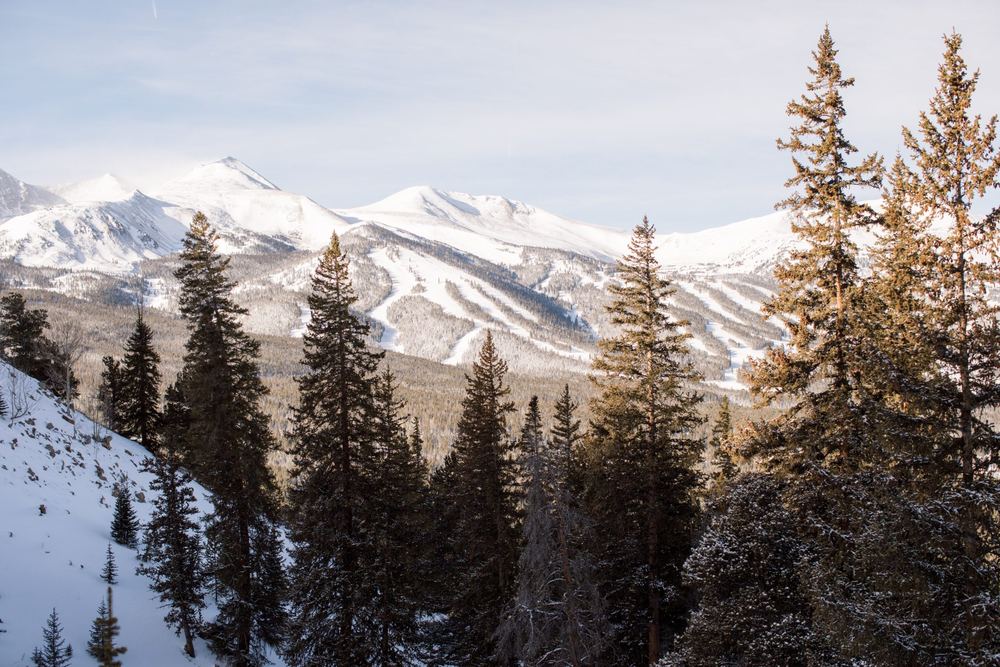
The lifts get the attention at Keystone, but the resort sits at the mouth of the Snake River valley, with Forest Service roads and trails fanning out in every direction. Most of them see a fraction of the traffic the slopes do. A snowshoe morning or a cross-country afternoon is the easiest way to find real quiet here, and the options range from a groomed beginner loop to an all-day trek toward the Continental Divide. Here is how they stack up.
Keystone Nordic Center
The resort's own Nordic center operates from the River Course clubhouse on River Course Drive in West Keystone, off Highway 6 just past the Swan Mountain Road light. It grooms more than 17 kilometers of trails for classic and skate skiing, with roughly 40 kilometers of ungroomed Forest Service trails beyond, and rents touring skis, skate skis and snowshoes. Lessons include a 90-minute beginner group in the mornings and family sessions for ages six and up, with rentals included. The center typically opens in December as conditions allow and runs daily from nine to four; call ahead early in the season to confirm it is open. In past winters it has also run guided snowshoe outings, including an easy two-mile eco tour and a longer mountaintop trek that starts with a gondola ride, so ask what is on the schedule.
Keystone Gulch Road
For a longer outing without a lesson or a fee, Keystone Gulch Road is the local favorite. The trailhead sits off Soda Ridge Road, a few minutes from River Run. The road is closed to motor vehicles most of the year and climbs gradually through dense forest for about five miles along the ski-area boundary, gaining roughly a thousand feet, until it reaches the base of the Ruby and Santiago lifts near North Peak. Ski patrol uses it in winter to reach the lifts, so expect the occasional vehicle and a well-packed surface. Go as far as you like and turn around; the grade is gentle enough for a first cross-country tour and easy on snowshoes. The terrain is low-angle and forested, which is exactly what you want when you are not thinking about avalanches.
Montezuma, Peru Creek and Deer Creek
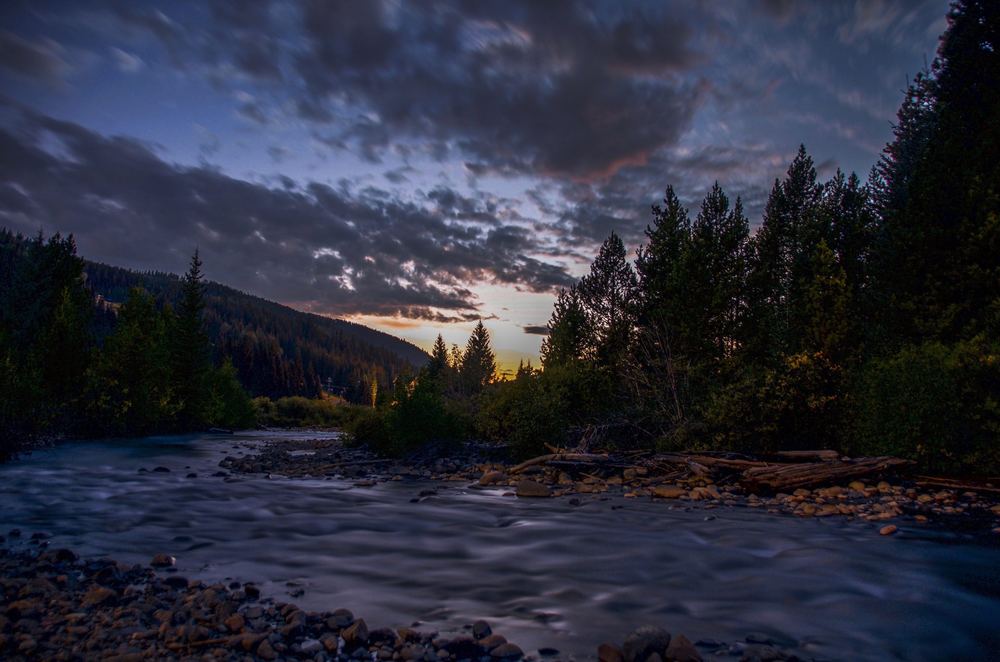
East of the resort, Montezuma Road climbs toward the old mining town of Montezuma, and the country opens up. Peru Creek Road, 4.6 miles up Montezuma Road with a pull-out on the left, is closed to motor vehicles from late November through spring and makes a classic ski or snowshoe tour, six or seven miles round trip along the creek toward Horseshoe Basin with about 700 feet of gain. Farther on, past Montezuma itself, the Deer Creek trail leaves from a plowed lot and climbs toward 11,400 feet, an intermediate snowshoe with 860 feet of gain and views to match.
This is the part of the Keystone area where avalanche terrain enters the picture. The drainages above Montezuma have steep slopes on both sides, and the Dillon Ranger District has warned that snowshoers have been caught in slides on trails like these. Deer Creek is rated complex avalanche terrain. Before any outing up here, read the Colorado Avalanche Information Center forecast for the Vail and Summit County zone, stay on the valley floor when the danger is elevated, and bring a partner. On a calm day after the snowpack has settled, it is some of the finest touring in the county.
Short and easy: Sapphire Point and Dillon
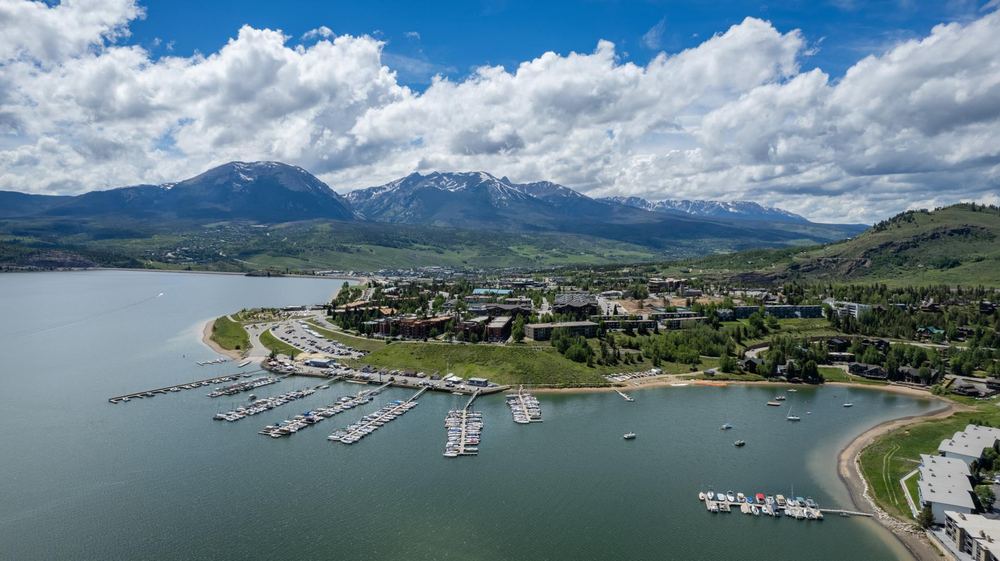
Not every outing needs to be an expedition. Sapphire Point, on Swan Mountain Road between Keystone and Breckenridge, is a loop of barely half a mile around a 9,500-foot knob with a postcard view of Dillon Reservoir framed by the Gore and Tenmile ranges. The path is not maintained in winter, so expect ice and bring traction; parking is limited and fills fast. In Dillon, ten minutes west, the Dillon Nature Preserve is open all winter to walkers, snowshoers and skiers, with a plowed gravel road leading to two easy loops totaling more than two miles and free parking across Highway 6 from the cemetery. Once the reservoir freezes solid, the Town of Dillon grooms a multi-use track on the ice for skiing, snowshoeing and walking, with access from the marina and Lodgepole Street. Lily Pad Lake, from the top of Ryan Gulch Road in Wildernest or from Frisco's Meadow Creek trailhead, is a moderate three-mile round trip into the Eagles Nest Wilderness.
Gear and getting there
- Rentals. The Nordic Center rents skis and snowshoes on site. Christy Sports at Snake River on Highway 6, next to the Snake River Saloon, and its Dillon store rent snowshoes with poles, walk-in only; call ahead on busy weekends.
- Parking. Forest Service trailheads around Keystone and Montezuma may require a parking permit, and lots are small. The free Summit Stage bus serves Dillon and the Wildernest road.
- Dress to move. Snowshoeing and cross-country skiing are warm work; start cool, carry a shell and a warm layer for the turnaround.
- Daylight. The valleys east of Keystone lose the sun early. Be back at the car with light to spare.
Altitude on quiet days
Keystone sits near 9,300 feet and Montezuma above 10,000, so even a gentle tour works the lungs hard. Keep the first outing short, drink water and go easy on alcohol the first night. If anyone in your group struggles with sleep or headaches at altitude, Peak Oxygen delivers in-home and portable oxygen concentrators to lodging in Keystone and across Summit County; call (970) 368-9190 with questions. Talk to a doctor about any medical questions before your trip.
Pick a groomed loop for the first morning and Keystone Gulch for the second, and save Montezuma for a calm, settled day with a forecast you have read. The quiet out there is the point.